Why Upgrade Your Electrical Consumer Unit?
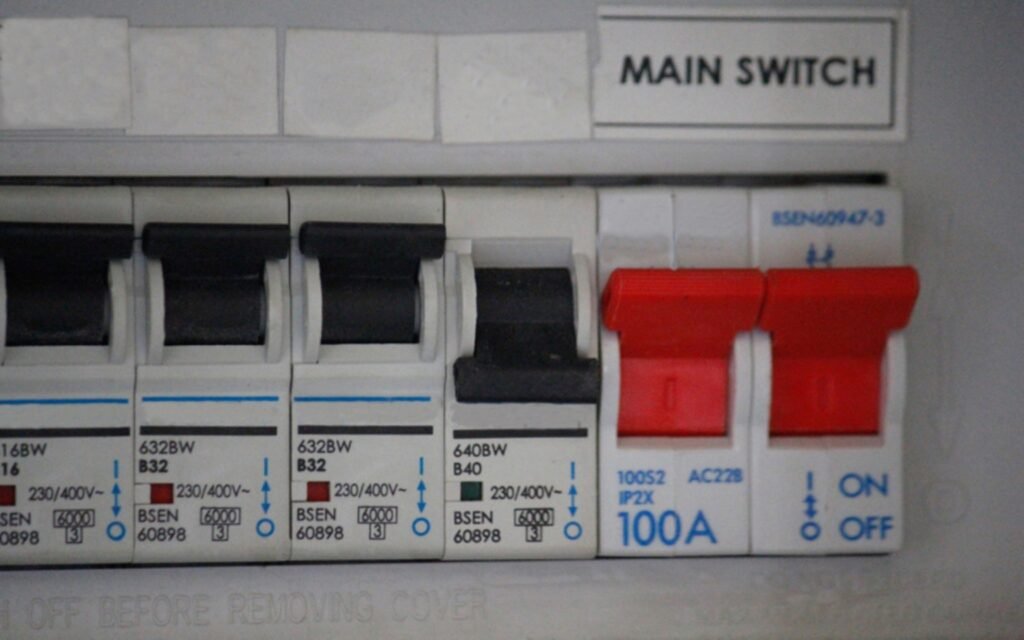
One of the main reasons why you should upgrade a consumer unit is to enhance the safety of your home. Older consumer units may not have the necessary safety features to protect against electrical faults or overloads. This can increase the risk of electrical fires, electric shocks, and other hazards. By upgrading to a modern consumer unit, you can benefit from advanced safety features such as residual current devices (RCDs) and circuit breakers.
RCDs are designed to quickly detect any imbalances in the electrical current and automatically shut off the power supply to prevent electric shocks. They provide an extra layer of protection by monitoring the flow of electricity and instantly disconnecting the circuit if any abnormalities are detected. This is especially important in areas such as kitchens and bathrooms, where the risk of electric shock is higher due to the presence of water.
Circuit breakers, on the other hand, are designed to protect the electrical circuits from overloads and short circuits. They automatically trip and cut off the power supply when the current exceeds a safe level, preventing damage to electrical appliances and reducing the risk of electrical fires. Upgrading to a consumer unit with modern circuit breakers can ensure that your electrical system is properly protected and minimize the chances of electrical faults.
In addition to safety, upgrading a consumer unit can also improve the energy efficiency of your home. Older consumer units may not be designed to handle the electrical demands of modern appliances and technologies. This can lead to inefficient distribution of electricity and increased energy consumption. By upgrading to a consumer unit with the capacity to handle higher electrical loads, you can ensure that your appliances receive the power they need without wasting energy.
Furthermore, modern consumer units often come with additional features that can enhance the functionality and convenience of your electrical system. For example, some consumer units have built-in surge protection to safeguard your appliances against power surges caused by lightning strikes or fluctuations in the electrical grid. Others may have smart technology capabilities, allowing you to monitor and control your electrical system remotely through a smartphone app.
In conclusion, upgrading a consumer unit is essential for maintaining the safety and efficiency of your home’s electrical system. By investing in a modern consumer unit with advanced safety features, you can protect against electrical hazards and reduce the risk of electrical fires or shocks. Additionally, upgrading can improve energy efficiency and provide added convenience through the incorporation of smart technology. Therefore, it is important to regularly assess the condition of your consumer unit and consider upgrading when necessary.
Enhance the Safety of Your Home's Electrical System
One of the primary reasons to upgrade your consumer unit is to improve your home’s electrical safety. Older consumer units may not have the necessary features to protect against electrical faults, such as RCDs (Residual Current Devices) or surge protection. These safety devices help to prevent electric shocks, electrical fires, and other potential hazards. By upgrading your consumer unit, you can ensure that your home’s electrical system meets the latest safety standards and provides a safer living environment for you and your family.
When it comes to electrical safety, it is essential to be proactive rather than reactive. Upgrading your consumer unit is a proactive step towards preventing electrical accidents and ensuring the well-being of your loved ones. By installing RCDs, you can detect even the slightest imbalance in the electrical circuit and immediately cut off the power supply, preventing potential electric shocks.
Furthermore, surge protection is crucial for safeguarding your home’s electrical appliances and devices from power surges. Power surges can occur due to lightning strikes, faulty wiring, or even when large appliances like refrigerators or air conditioners turn on and off. These sudden spikes in voltage can damage sensitive electronics and lead to costly repairs or replacements. By upgrading your consumer unit with surge protection, you can protect your valuable electronics and save yourself from unnecessary expenses.
Ensuring Legal Compliance
Another important reason to upgrade your consumer unit is to comply with the law. Electrical regulations and standards are constantly evolving to enhance safety and protect consumers. In many countries, including the UK, there are specific regulations that govern consumer units and require them to meet certain standards. By upgrading your consumer unit, you can ensure that your home is compliant with these regulations and avoid any legal issues or penalties.
One of the key regulations that homeowners need to be aware of is the Wiring Regulations, also known as BS 7671. These regulations outline the requirements for electrical installations in the UK and cover various aspects, including the selection and installation of consumer units. The Wiring Regulations are regularly updated to incorporate new safety measures and technologies, so it’s essential for homeowners to stay up to date with the latest requirements.
When it comes to consumer units, the Wiring Regulations specify that they must be constructed and installed in a way that ensures the safety of the electrical installation. This includes factors such as the use of fire-resistant materials, adequate spacing for cables, and appropriate labeling of circuits. By upgrading your consumer unit, you can ensure that it meets these requirements and provides a safe environment for you and your family.
Non-compliance with the Wiring Regulations can have serious consequences. In the event of an electrical fault or fire, insurance companies may refuse to cover the damages if it is found that the installation did not meet the required standards. Additionally, if you plan to sell your home in the future, potential buyers may request an electrical inspection to ensure that the property is compliant with regulations. A non-compliant consumer unit could raise red flags and potentially affect the sale of your property.
Furthermore, local authorities and regulatory bodies have the power to enforce compliance with electrical regulations for rental properties. They can carry out inspections and issue notices or penalties for non-compliance. These penalties can range from fines to prohibition notices, which can prevent you from using certain electrical installations until they are brought up to standard. By proactively upgrading your consumer unit, you can avoid these potential legal issues and ensure that your home is safe and compliant.

Increased Energy Efficiency
Upgrading your consumer unit can also lead to increased energy efficiency in your home. Older consumer units may not have the necessary features to optimize energy usage, resulting in wasted energy and higher electricity bills.
What Does Upgrading a Consumer Unit Involve?
A consumer unit upgrade involves replacing your existing consumer unit with a new one that meets the latest safety and regulatory standards. The process typically includes the following steps:
Assessment: A qualified electrician will assess your current consumer unit and electrical system to determine the necessary upgrades and modifications. This assessment is crucial as it allows the electrician to identify any potential hazards or issues that need to be addressed. They will carefully examine the wiring, fuses, and switches to ensure they are in good condition and functioning properly. Additionally, they will evaluate the load capacity of your current consumer unit to determine if it can handle the electrical demands of your home. Based on their findings, the electrician will recommend the appropriate upgrades and modifications needed to ensure the safety and efficiency of your electrical system.
Installation: Once the assessment is complete and the necessary upgrades have been determined, the electrician will proceed with the installation of the new consumer unit. This involves carefully removing the existing unit and disconnecting it from the electrical circuits. The electrician will then install the new unit, ensuring that it is properly connected to the electrical circuits and that all safety devices, such as RCDs (Residual Current Devices) and circuit breakers, are in place. They will also ensure that the wiring is properly organized and labeled for ease of use and maintenance.
Testing: After the installation is complete, the electrician will conduct thorough testing to ensure that the new consumer unit is functioning correctly and that all circuits are properly protected. This testing involves checking the functionality of the safety devices, such as RCDs and circuit breakers, to ensure they are tripping as intended in the event of a fault. The electrician will also test the voltage levels and continuity of the electrical circuits to ensure they are within the acceptable range. Additionally, they may perform an insulation resistance test to check for any potential electrical leakage or faults. This comprehensive testing ensures that your electrical system is safe, reliable, and compliant with the necessary regulations.
Certification: Once the upgrade is complete and the system is deemed safe and compliant, the electrician will provide the necessary certification to validate the work. This certification serves as proof that the consumer unit upgrade has been carried out by a qualified professional and that it meets the required safety standards. It can be important for insurance purposes, as well as for future reference if you decide to sell your property. The certification will include details such as the date of the upgrade, the name and license number of the electrician, and any relevant test results. It is important to keep this certification in a safe place for future reference.
What Is the Cost to Upgrade an Electrical Consumer Unit?
The cost of upgrading an electrical consumer unit can vary depending on various factors, such as the size of your home, the complexity of the installation, and the specific requirements of your electrical system. It is recommended to contact a qualified electrician for a detailed assessment and a cost estimate. While the upfront cost of a consumer unit upgrade may seem significant, it is important to consider the long-term benefits in terms of safety, energy efficiency, and compliance.
When it comes to the size of your home, larger homes typically require a more extensive electrical system, which can result in a higher cost for upgrading the consumer unit. The complexity of the installation also plays a role in determining the cost. If your electrical system is outdated or in poor condition, it may require additional work to bring it up to code and ensure its safety.
In addition to the size and complexity of the installation, the specific requirements of your electrical system can also impact the cost. For example, if you have a lot of high-powered appliances or a home office with specialized electrical needs, the consumer unit upgrade may require additional circuits or equipment, which can increase the overall cost.
Furthermore, upgrading your consumer unit ensures compliance with current electrical regulations and standards. This is particularly important if you are planning to sell your home in the future, as potential buyers may require proof of compliance with electrical safety regulations.
Service Description | Average Cost (+VAT) |
Cost of populated consumer unit (10 way) – supply only (MCBs) | £120 |
Cost of populated consumer unit (10 way) – supply only (RCBOs) | £250 |
Meter tail cables | £33 |
Cost to install consumer unit | £160 |
Cost to replace circuit breaker | £52.50 |
Cost to remove a fuse box or consumer unit | £75 |
Electrical inspection | £210 |
Electrician hourly rate | £45 |
This table provides a comprehensive overview of the expenses one might incur when dealing with electrical system upgrades or maintenance, including the cost of materials and labor. Whether planning a budget for potential home improvements or simply gauging the market rate for these services, this information is crucial
Different Categories of Electrical Consumer Units
There are several types of consumer units available, each with its own features and benefits. The choice of consumer unit depends on the specific requirements of your electrical system and your personal preferences. Some common types of consumer units include:
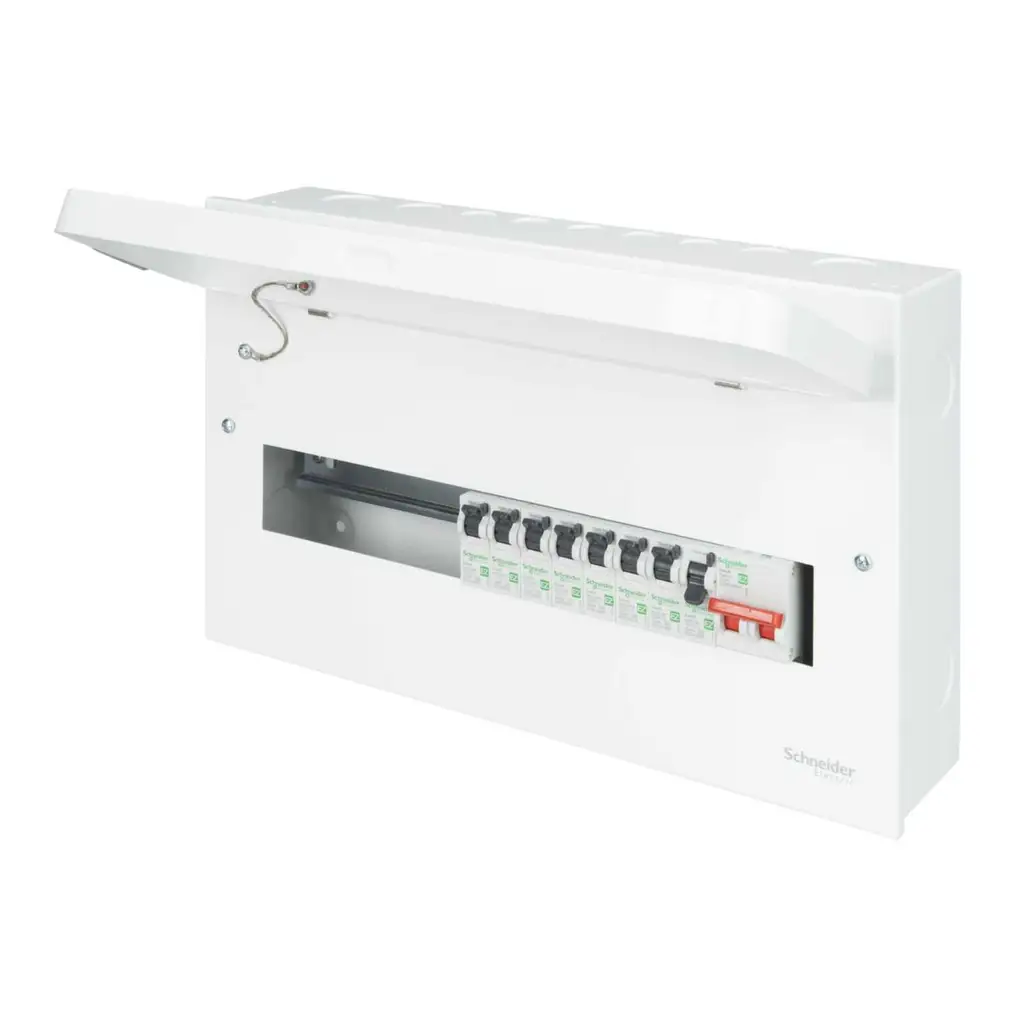
Dual RCD Consumer Unit: A dual RCD consumer unit provides enhanced protection by having separate RCDs for different circuits. This allows for better fault detection and isolation, minimizing the risk of electrical shocks or fires. With separate RCDs, each circuit is monitored independently, ensuring that if a fault occurs in one circuit, only that circuit will be affected, while the rest of the electrical system remains operational. This type of consumer unit is commonly used in residential properties to provide a higher level of safety.
High Integrity Consumer Unit: A high integrity consumer unit is designed for homes with specific requirements, such as additional protection for critical circuits or specialized installations. It provides a higher level of safety and compliance. This type of consumer unit is often recommended for homes with renewable energy systems, electric vehicle charging points, or other specialized electrical installations. It incorporates additional features, such as surge protection, dedicated circuits, and advanced monitoring capabilities, to ensure the safe and efficient operation of these systems.
Surge Protection: Some consumer units also include surge protection devices, which help to protect against power surges caused by lightning strikes or electrical faults. Surge protection is particularly important for homes with sensitive electronic equipment. These devices are designed to divert excess voltage away from the electrical system, preventing damage to appliances, computers, and other electronic devices. By installing a consumer unit with built-in surge protection, you can provide an extra layer of defense against power surges, ensuring the longevity and reliability of your electrical equipment.
An RCBO consumer unit is an essential component in modern electrical installations, combining the functions of an MCB (Miniature Circuit Breaker) and RCD (Residual Current Device) into a single unit. This innovative device provides both overcurrent protection and earth fault current protection, ensuring enhanced safety for electrical circuits within a property. It is particularly useful in scenarios where there is a need to prevent electric shock and protect against fire hazards caused by faulty wiring or appliance failures. By integrating these two protective mechanisms, the RCBO consumer unit offers a compact, efficient solution for safeguarding against a wide range of electrical issues, making it a preferred choice for both residential and commercial installations.
When choosing a consumer unit, it is important to consider the specific needs of your electrical system and the level of protection required. Consulting with a qualified electrician can help you determine the most suitable consumer unit for your home, ensuring the safety and efficiency of your electrical installation.
Frequently Asked Questions (FAQs)
Is it possible to relocate the Consumer Unit?
Is the process disruptive?
How long is the power outage expected to last?
How long do I get support?
Are there any ways homeowners can assist?
Do I need Qualified electrician to upgrade my consumer unit
Get in touch for more information
info@efixit.co.uk
199 wharfside St Birmingham, B1 1RN
Phone : +44 74388 59725
Areas Covered
cocks Green, Alum Rock, Aston, Balsall Heath, Bartley Green, Billesley, Birchfields, Birmingham, Boldmere, Bordesley, Bordesley Green, Bournbrook, Bournville, Bromford, Buckland End, Camp Hill, Cannon Hill, Castle Vale, Cotteridge, Deritend, Digbeth, Druids Heath, Duddeston, Edgbaston, Erdington, Four Oaks, Frankley, Garretts Green, Gravelly Hill, Great Barr, Greet, Hall Green, Handsworth, Handsworth Wood, Harborne, Hawkesley, Hay Mills, Highters Heath, Hockley, Hodge Hill, Kings Heath, Kings Norton, Kingstanding, Kitts Green, Ladywood, Lea Hall, Longbridge, Lozells, Maney, Maypole, Mere Green, Minworth, Moseley, Nechells, New Oscott, Northfield, Perry Barr, Perry Common, Pype Hayes, Quinton, Rednal, Rotton Park, Saltley, Selly Oak, Selly Park, Shard End, Sheldon, Short Heath, Small Heath, Soho, Sparkbrook, Sparkhill, Stechford, Stirchley, Stockland Green, Streetly, Sutton Coldfield, Tile Cross, Tyburn, Tyseley, Walkers Heath, Walmley, Ward End, Warstock, Washwood Heath, Weoley Castle, West Heath, Winson Green, Witton, Woodgate, Wylde Green, Yardley, Yardley Wood.